Sussex CoastHow to
How to Go Crabbing
A family guide to catching shore crabs from a harbour wall, following the wildlife trusts' crabbing code and keeping children safe at the edge.
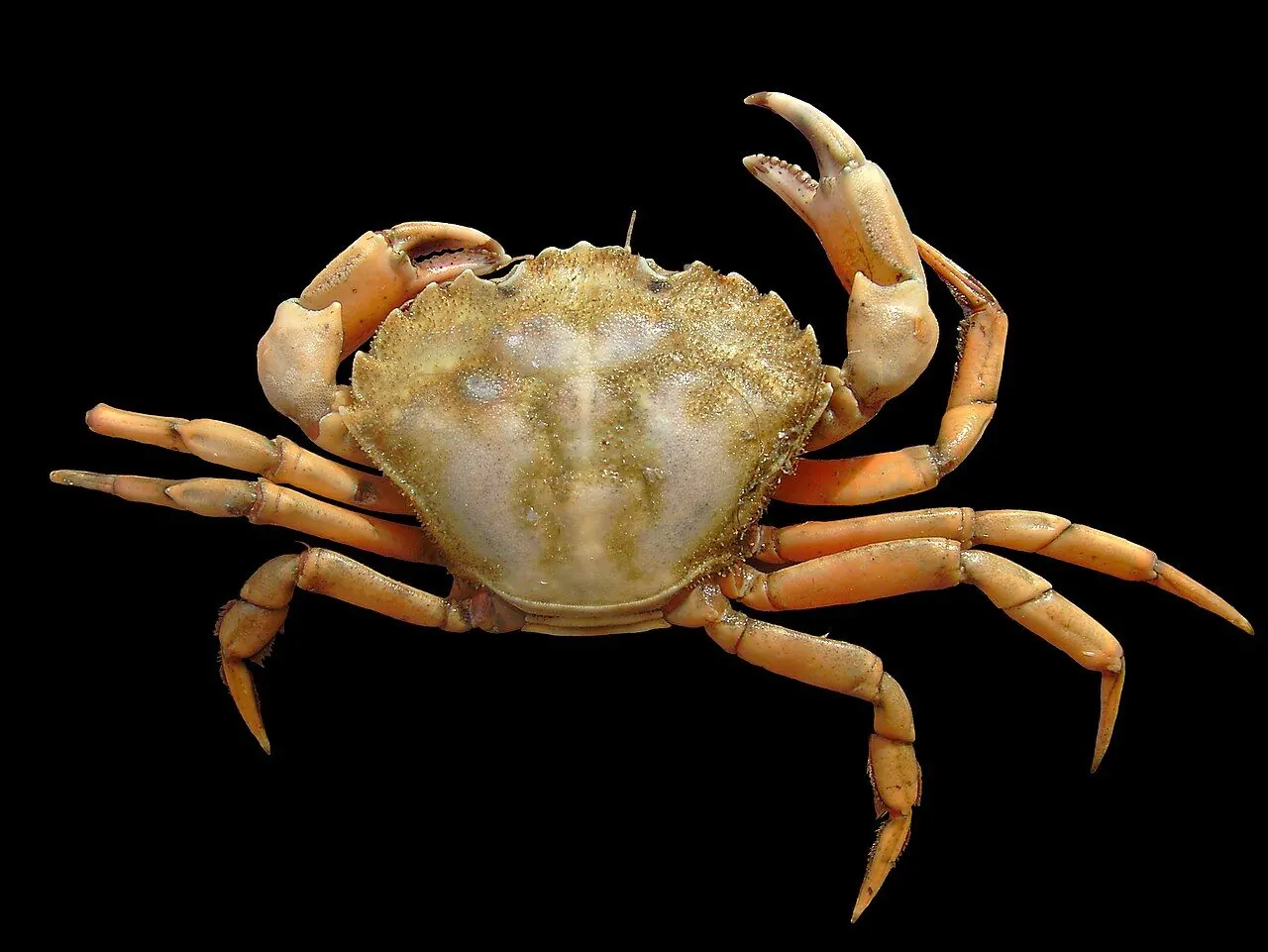
To go crabbing, lower a baited line or net from a harbour wall or quay, wait for a tug, lift the crab gently into a bucket of cool sea water, and put it back in the water after a short look. What matters most is safety at the quay edge and gentleness with the crabs, not clever kit.
What you need and where to crab
Put together a simple kit: a crab line or small drop net, a mesh bait bag, and a large bucket filled with sea water. Wildlife trust guidance is to use a net bag for the bait and no hooks at all, since a hook can injure a crab or snare another animal. Bring your own bait, such as bacon rind or tinned sardines, rather than taking creatures from the shore, and choose a line made from biodegradable material where you can.
Crabs like the nooks and shadows of an old harbour, so look to harbour walls, quaysides and pontoons, where the water is deep enough to reach from the edge. Check the tide times before you go, as some quays dry out at low water. Lower your line until the bait bag touches the bottom and the line goes slack, then wait patiently for a tug before lifting it slowly and steadily.
How to handle and keep crabs
Crabs, like crabbers, will defend themselves. Cornwall Wildlife Trust suggests pressing a finger on the middle of the shell and gripping the edges of the shell behind each claw with your thumb and second finger, which keeps your fingers away from the pincers. Be gentle: being yanked up roughly or dropped can crack a crab's shell, and the Hampshire and Isle of Wight Wildlife Trust advises keeping crabs out of water for no more than a minute.
The wildlife trusts' crabbing code comes down to a few rules:
- Use a large bucket of sea water, never tap water, and refresh it regularly; one trust suggests every 10 minutes.
- Keep no more than three crabs in a bucket, or one in a small bucket, so they cannot fight and tear off claws.
- Keep the bucket in the shade and add a little seaweed, as crabs can overheat in the sun.
- Separate any crabs that start fighting by putting one back.
Children at the quayside and putting crabs back
Quaysides have drops, slippery steps, ropes and mooring rings, so keep children right beside you, sitting or kneeling back from the edge rather than leaning over it. Point out the hazards before you start, keep the bucket and gear away from the edge so no one trips, and never let children crab alone. If anyone falls into the water, do not jump in after them: call 999 or 112 and ask for the Coastguard, and throw them something that floats.
When you have finished, release the crabs carefully back into the water, lowering them close to the surface or placing them at the water's edge rather than tipping them from a height, and put back anything else you moved. A quiet spot on a safe quay, a cool uncrowded bucket and a gentle return make a good crabbing afternoon for children and crabs alike.