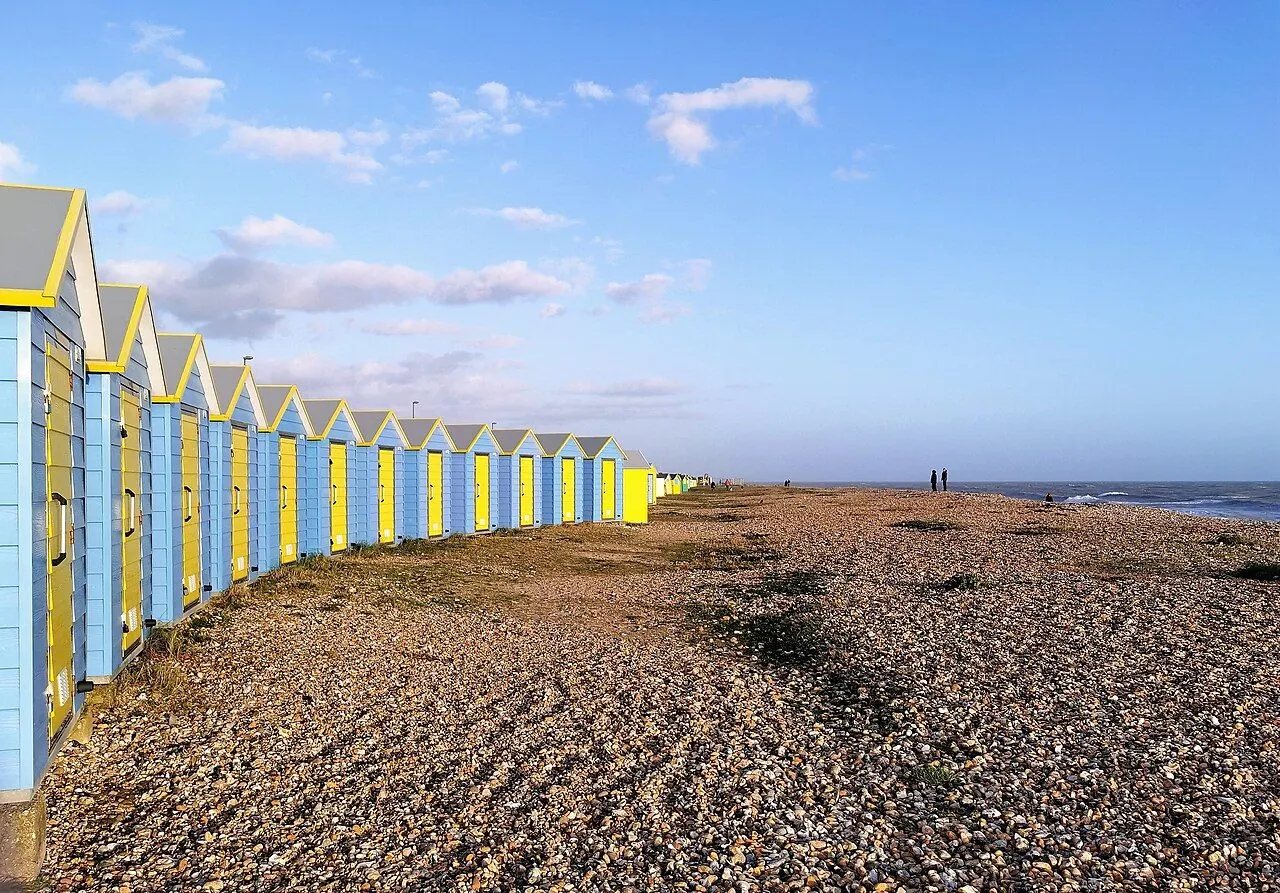
Sussex CoastWhere to go
West Sussex Beaches
A west-to-east guide to the county's shoreline, from the dunes of East Head to the pebbles of Worthing, with the safety points for each stretch.
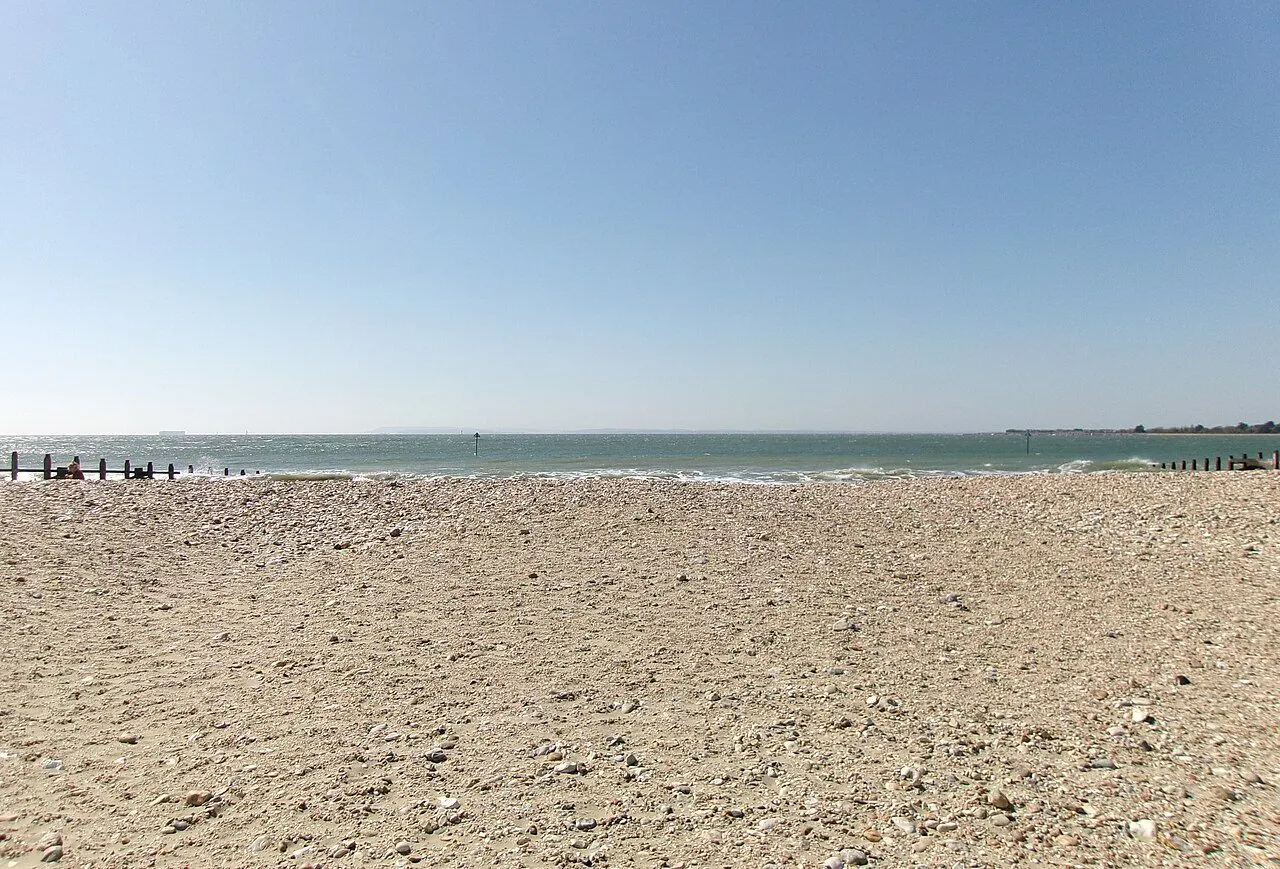
For a family day with lifeguards, the clear choices on the West Sussex coast are West Wittering, Bognor Regis and Littlehampton East Beach; the other beaches, from Selsey to Shoreham, are quieter mixes of shingle and low-tide sand with no lifeguard service.
| Beach (west to east) | Surface | Lifeguards in summer |
|---|---|---|
| West Wittering | Sand, with some shingle near the high-tide line | Yes, run by the West Wittering Estate |
| East Head | Sand and shingle dune spit (National Trust) | No |
| East Wittering, Bracklesham, Selsey | Shingle, with sand at low tide at Bracklesham | No |
| Bognor Regis and Felpham | Shingle, with sand at low tide | RNLI at Bognor Regis |
| Climping and Littlehampton West Beach | Vegetated shingle, sand dunes, sand at low tide | No |
| Littlehampton East Beach | Shingle, with sand at mid to low tide | RNLI |
| Worthing, Lancing, Shoreham | Pebbles by the promenade, sand at low tide | No; coastal wardens patrol |
The Chichester coast: West Wittering to Selsey
West Wittering Beach is owned and managed by the West Wittering Estate and is open all year. At the time of writing, the Estate says lifeguards are on duty in the bathing season, mid May to mid September, from 10am to 5pm daily; swim between the red and yellow flags. It also warns that dangerous currents and sand bars occur at "The Hinge", so swimming is not allowed there. On busy days parking must be booked in advance, so check the Estate's website before you set off.
East Head, the sand and shingle dune spit at the entrance to Chichester Harbour, is owned and managed by the National Trust and is a Site of Special Scientific Interest. According to the National Trust, it does not have the lifeguard service that operates on West Wittering Beach, and arrival by car is through the West Wittering Beach car park.
Further east, Chichester District Council looks after the foreshore at East Wittering, Bracklesham Bay and Selsey. The council describes the beach as a natural environment with multiple hazards, says there are no lifeguards operating along it, and directs anyone seeking a lifeguarded beach to West Wittering. At Bracklesham the shingle gives way to gently shelving sand at low tide, and the shore between Selsey and Bracklesham is known for its fossils.
The Arun and Worthing coast: Bognor Regis to Shoreham
Bognor Regis and Felpham have shingle at high tide and flat sand as the water goes out. Arun District Council says Bognor Regis and Littlehampton have RNLI lifeguarded beaches during the summer months.
Between Bognor and Littlehampton, Climping and Littlehampton's West Beach form one of the few undeveloped stretches of this coast. The site is a Site of Special Scientific Interest for its rare vegetated shingle and sand dunes, which are fenced in places to stop erosion. Across the River Arun, Littlehampton East Beach is the town's main beach, with shingle at the top and sand from mid to low tide. Arun District Council warns never to paddle or swim in the first bay next to the pier at Littlehampton, because strong tides make it dangerous; you can safely swim or paddle from the second bay onwards.
At Worthing, Lancing and Shoreham the beach is pebbles near the promenade, with sandy sections when the tide is fully out. Adur & Worthing Councils say there are no lifeguards on their beaches, although coastal wardens patrol between Ferring and Widewater in summer. At Shoreham and Lancing, swimming zones are marked with buoys from May to September, and motor and sail-powered craft are kept out of them. Jumping or diving from Worthing Pier is banned by byelaw.
Staying safe on any of these beaches
Choose a lifeguarded beach if you plan to swim, and swim between the red and yellow flags. Watch the tide: on this flat coast the sea retreats a long way and comes back quickly across the sand, and river and harbour mouths such as the Arun and Chichester Harbour have strong currents. If you see someone in difficulty in the water, do not go in after them; call 999 or 112 and ask for the Coastguard.