Sea SafetyDecoder
Beach Flags Meaning
Four flags run every lifeguarded beach in Britain, and a glance at them tells a family exactly where to swim, where to surf and when to stay out.
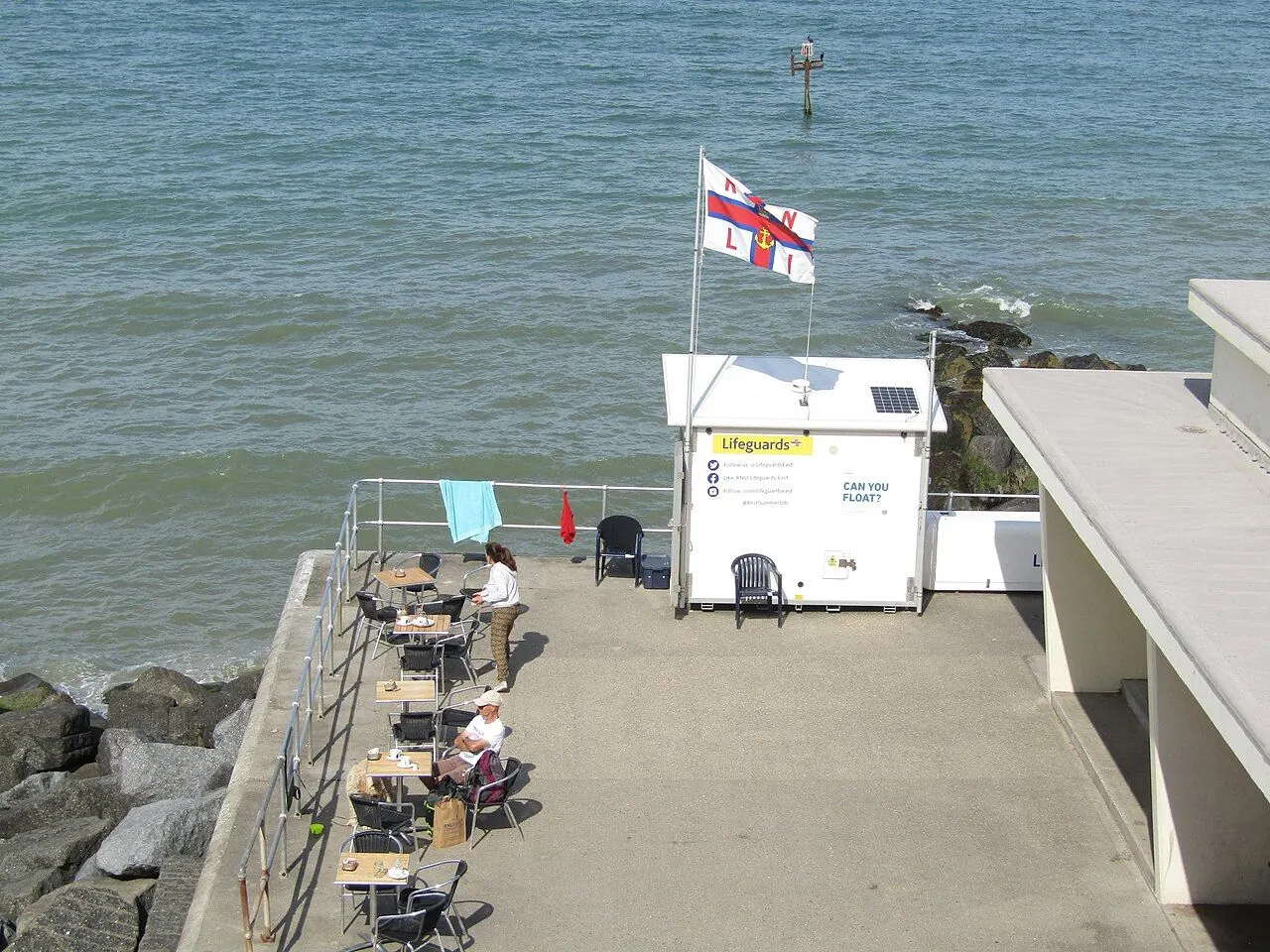
On UK lifeguarded beaches, red-and-yellow flags mark the supervised swimming and bodyboarding zone, black-and-white chequered flags mark the zone for surfboards and other craft, a red flag means the water is too dangerous to enter, and an orange windsock warns against using inflatables.
The UK beach flag code at a glance
| Flag | What it means | What to do |
|---|---|---|
| Red and yellow | Lifeguard-patrolled swimming and bodyboarding zone, or lifeguards on duty | Swim and bodyboard between a pair of these flags |
| Black and white chequered | Zone for surfboards, stand-up paddleboards, kayaks and other non-powered craft, or a zone boundary; launch and recovery area for kitesurfers and windsurfers | Use craft here; never swim or bodyboard here |
| Red | Dangerous conditions: a severe hazard | Do not enter the water |
| Orange windsock | Offshore or strong wind conditions | Do not use inflatables on the water |
Where swimmers and craft should go
Swimmers and bodyboarders should stay between the red-and-yellow flags. According to the RNLI, this is the lifeguarded area and the safest place to swim and bodyboard, and the flags are placed where it is safer to swim in that day's conditions. Swimming between them also means the lifeguards can spot you more easily if something goes wrong. The zone flags are used in pairs, so look for both ends of the area.
The black-and-white chequered flags uniquely denote the area for surfboards, stand-up paddleboards, kayaks and other non-powered craft. Keeping craft out of the swimming zone protects swimmers from being hit by a board, and keeping swimmers out of the craft zone protects them in turn. The RNLI is clear: never swim or bodyboard between the black-and-white flags.
When the sea is off limits
A red flag signifies a severe hazard: water conditions are unsafe for swimming and other water activities, and people should not enter the water. Unlike the zone flags, it is flown singly rather than in a pair.
The orange windsock indicates offshore or strong winds. An offshore wind blows from the land out to sea, and it can carry an inflatable, such as a lilo, a rubber ring or an inflatable dinghy, away from the beach, making it very hard for anyone on it to get back. Never use inflatables when the windsock is flying.
If there are no flags, there may be no lifeguards on duty. A "no lifeguards" or "lifeguard off duty" sign means there is currently no lifeguard service on that beach. The RNLI advises taking extra care if you go into the water on a beach that is not lifeguarded, and following all the local safety signs.
Wherever you are, if you see someone in trouble in the water, alert the lifeguards or call 999 or 112 and ask for the Coastguard, and do not go in after them. Before a beach trip, check the weather forecast and the tide times, and choose a lifeguarded beach where you can: on the sand, find the red-and-yellow flags before anyone goes into the sea.