HistoryHistory
Founding of the RNLI
From a pamphlet written on the Isle of Man to a meeting in a City of London tavern: the origins of Britain's lifeboat charity.
The RNLI was founded by Sir William Hillary, who lived on the Isle of Man, and it was created at a public meeting in London on 4 March 1824 as the National Institution for the Preservation of Life from Shipwreck.
From island witness to national campaign
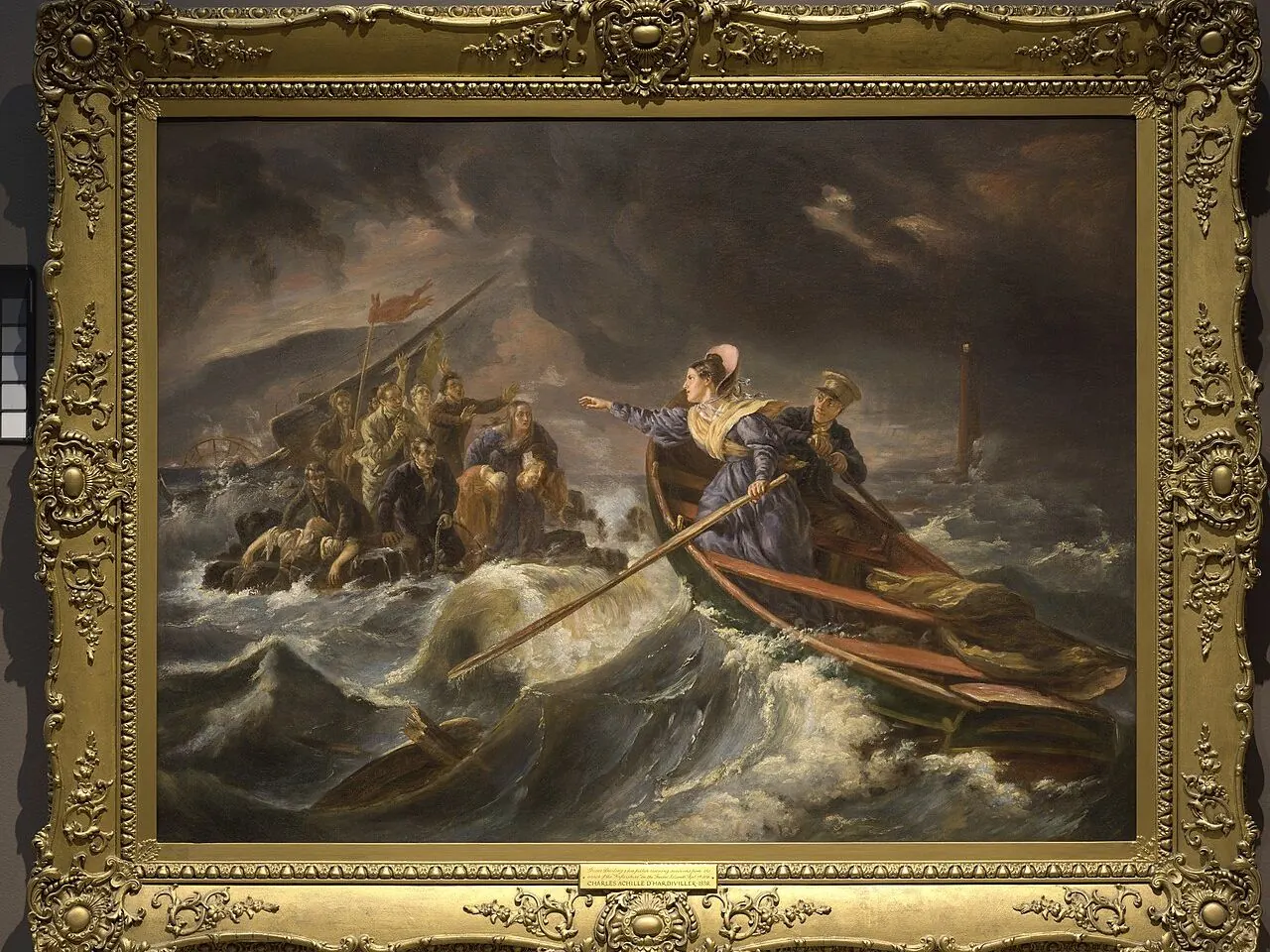
Sir William Hillary played the key role in founding the lifeboat service, and his inspiration came from the Isle of Man. He had settled at Fort Anne, near Douglas, and while living on the island he witnessed shipwrecks and the rescue attempts made by local people, which convinced him that the country needed a national body for saving life at sea.
In 1823 Hillary published a pamphlet, An Appeal to the British Nation on the Humanity and Policy of Forming a National Institution for the Preservation of Lives and Property from Shipwreck, dedicated to King George IV. In it he argued for a national, organised service of lifeboats and crews around the coast.
The London meeting that founded the institution
Hillary's campaign led to a public meeting on 4 March 1824 at the City of London Tavern in Bishopsgate, chaired by the Archbishop of Canterbury. The meeting formed the National Institution for the Preservation of Life from Shipwreck. The MP Thomas Wilson, who became the institution's first chairman, backed the plan, and figures such as William Wilberforce signified their approval. The Prime Minister, the Earl of Liverpool, became the first president.
From foundation to the modern RNLI
Within weeks the institution had the approval of King George IV and became the Royal National Institution for the Preservation of Life from Shipwreck. In 1854 it took its present name, the Royal National Lifeboat Institution. By 1825 it had already commissioned 15 lifeboats for stations around the coast.
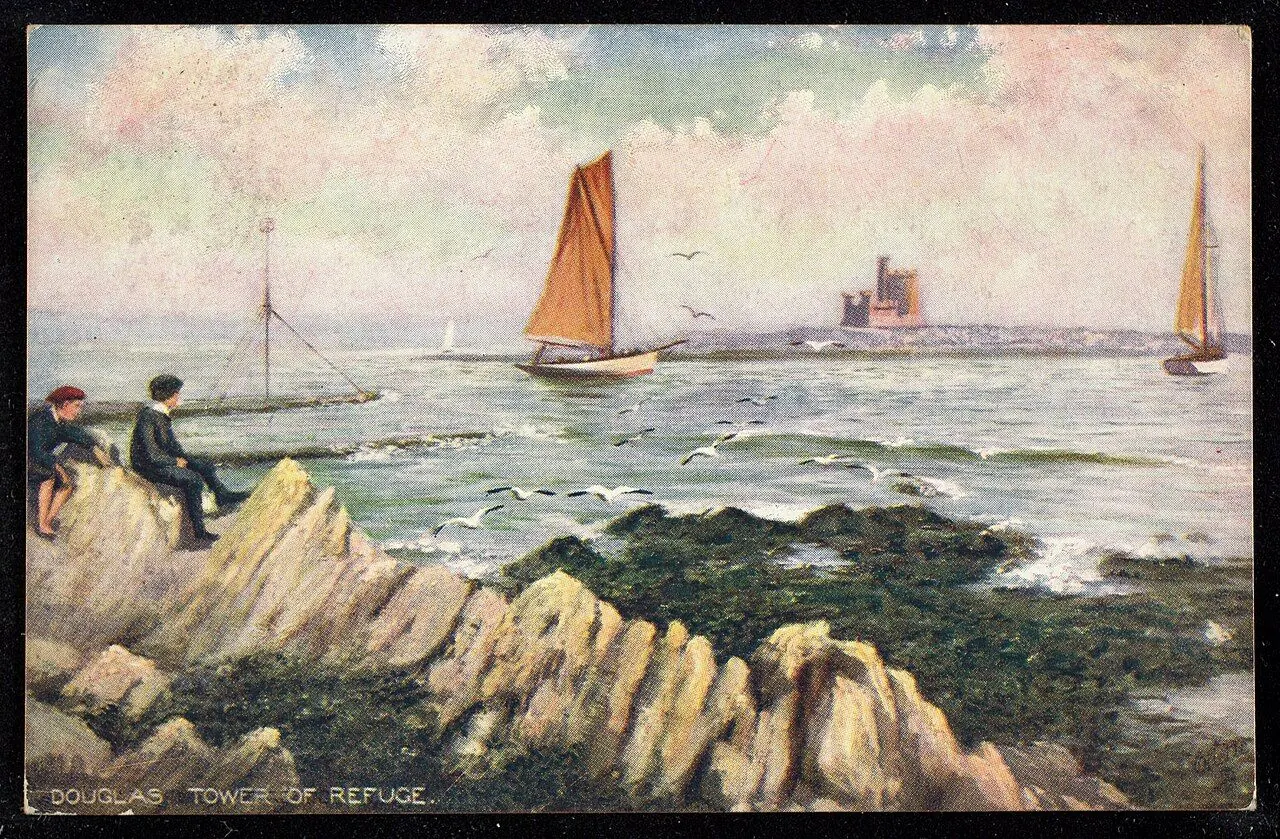
The early lifeboats were open boats powered by oars and crewed by volunteers. Steam lifeboats appeared in the late 1800s, and the first motor lifeboat entered service at Tynemouth in 1905. Hillary himself kept going afloat: he helped rescue crews in Douglas Bay and in 1832 planned the Tower of Refuge on Conister Rock there. He died near Douglas in 1847.
By its bicentenary in 2024, the RNLI said its volunteers had saved more than 146,000 lives since 1824. It remains a charity crewed largely by volunteers, and its story still begins with one man's appeal from the Isle of Man.