Sea SafetyHow to
Reading Tide Times
A tide table packs a day of rising and falling water into a few lines, and reading it properly is the simplest way to avoid being cut off.
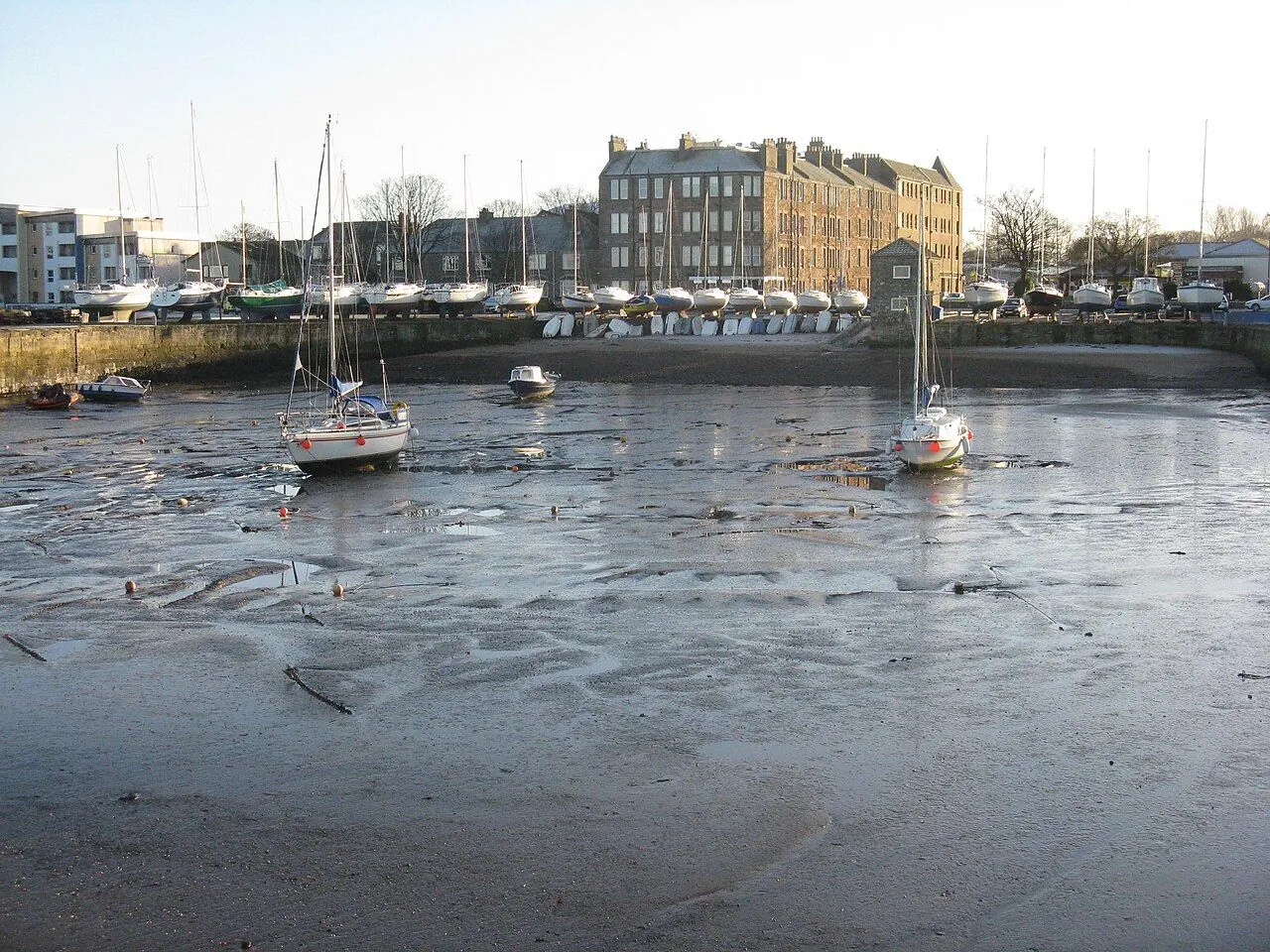
A tide table gives the times and heights of each high and low water for one place; to use it safely, note when the tide turns, how high it will come and whether it is a spring or a neap day, then plan to be off any low-lying sand, rocks or causeway well before the water returns. Tide times alone are only part of the picture.
Reading the table: times and heights
Each line of a tide table lists a high water (HW) or low water (LW), the time it is predicted, and a height in metres. Around Britain there are usually two high and two low tides a day: according to the National Oceanography Centre, high tides come roughly every 12 hours and 25 minutes, so the times shift by roughly 50 minutes from one day to the next. A beach that was clear at 5pm yesterday, the RNLI points out, might be completely covered by the sea at the same time today.
The heights are measured above chart datum, the reference level used on nautical charts; in the UK it is approximately the level of the Lowest Astronomical Tide, so heights are usually positive and a low figure means the sea goes a long way out. The difference between high and low water on a given day is the range. Check the time zone as well: the Admiralty EasyTide service gives predictions in the local standard time of each port and explains how British Summer Time is shown, so read its notes before you work out a time.
The water does not rise at a steady rate. Sailors use a rough guide called the rule of twelfths: over the roughly six hours from low to high water, the tide rises about one-twelfth of the range in the first hour, two-twelfths in the second, three in the third and fourth, two in the fifth and one in the sixth. The middle hours are when the tide comes in fastest, which is when people are most easily caught out.
Springs, neaps and the Moon
Spring tides happen just after new moon and full moon, when the Earth, Moon and Sun line up, roughly every two weeks. The RNLI explains that springs have a greater range between high and low water, so at high tide the water comes further up the beach and at low tide it goes further out. Neap tides fall in between, around the first and last quarter of the Moon, and have less variation, so at high tide the water will not come in as far. A walk that was safe on a neap day can be cut off on a spring tide.
Remember that tables are predictions. EasyTide notes that its figures do not take account of the weather, and strong winds and changes in air pressure can make the real tide deviate considerably from the predicted one.
Where to check and how not to get cut off
For official predictions, use the UK Hydrographic Office's free ADMIRALTY EasyTide service, the local harbour authority's tide tables, or the tide information published by the Met Office. The RNLI also suggests harbour masters and tourist information centres for local tide information. The UK and Ireland have some of the biggest tidal ranges in the world, and the RNLI says being cut off by the tide contributes to a significant number of its rescues every year.
Before you set out, check the tide times and heights for the right place and day, and note when the water turns. While you are out, keep an eye on your surroundings and the direction of the tide: if you have walked round a headland or into another cove at low tide, the water can block your way back, and if that cove has no steps or path of its own you could be trapped. HM Coastguard advises carrying a fully charged mobile phone. If you are cut off, or see someone who is, call 999 or 112 and ask for the Coastguard; do not try to wade or swim round.