LifeboatsExplainer
How RNLI Funding Works
Legacies, donations and fundraising keep the lifeboats afloat, while HM Coastguard is paid for by government: a plain guide to who funds what.
The Royal National Lifeboat Institution (RNLI) is a charity, not a government rescue service: almost all of its money comes from the public, through gifts in Wills, donations, membership and fundraising. HM Coastguard, by contrast, is a government service paid for by the state.
Where the money comes from
The RNLI is a registered charity (number 209603 in England and Wales), independent of government. This means its boats, stations, training and staff costs are paid for by public donations, legacies and some other income. The RNLI's own FAQ says that less than 1% of its funding comes from government sources and that around 90% of its total income comes from donations, with the rest from sources such as trading and investments.
For the financial year ending 31 December 2024, the Charity Commission register shows total income of £251.3 million, of which £222.4 million came from donations and legacies. Smaller sums came from trading activities (£18.2 million), charitable activities (£5.2 million) and investments (£4.6 million); government grants came to about £51,000. Figures change every year, so check the latest RNLI annual report or the Charity Commission register for current numbers.
Gifts in Wills matter most of all. The RNLI says that 6 in 10 of its lifeboat launches are only possible thanks to gifts left in Wills, which makes legacies the backbone of the service rather than an extra.
What the money pays for
Donations and legacies fund the RNLI's boats, stations, training and staff. The volunteers give their time for free, but the charity notes that they still need training, well-maintained equipment, lifeboats and shore facilities; one RNLI feature lists the buildings, heating and lighting, lifeboats, launching equipment, fuel, crew kit and training as costs behind every rescue. In 2024 the register records £195.3 million spent on charitable activities and £55.4 million on raising funds.
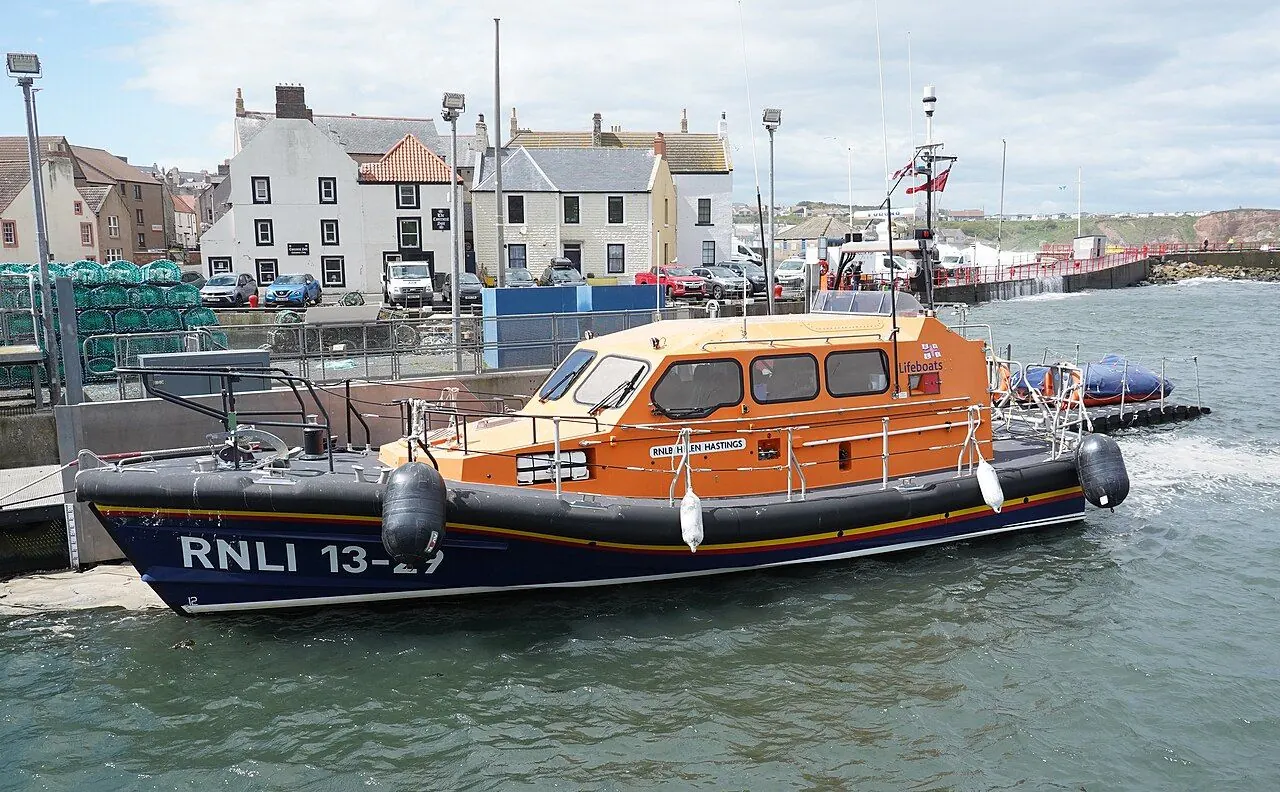
The kit is expensive. At the time of writing, the RNLI's lifeboat FAQ gives the cost of a D class inshore lifeboat as £101,000, a B class Atlantic 85 as £322,000 and a Shannon class all-weather lifeboat as £2.78 million, and says it costs £1,360 a year to train one lifeboat crew member. These prices change, so check rnli.org for the latest figures.
How the RNLI differs from HM Coastguard
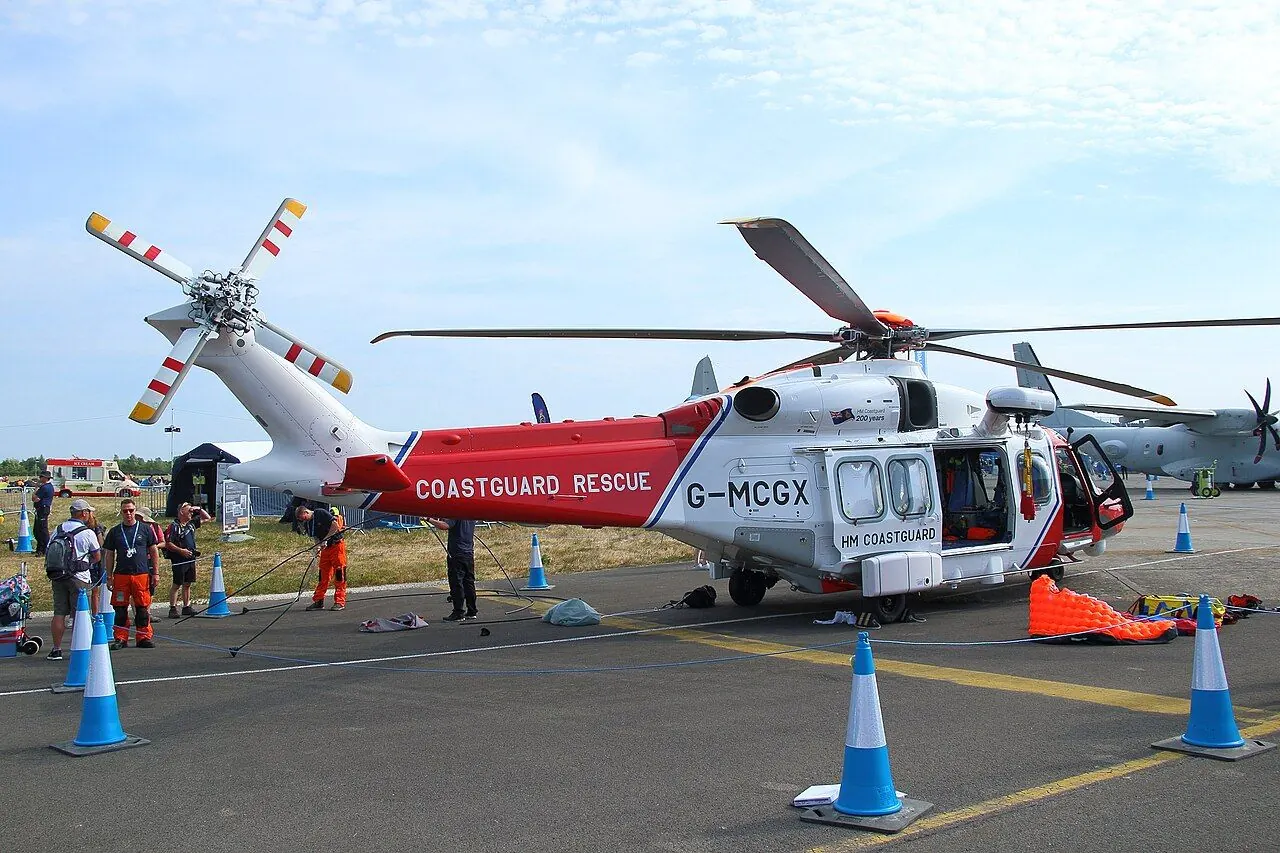
HM Coastguard is part of the Maritime and Coastguard Agency, an executive agency sponsored by the Department for Transport, and is funded as part of government. It coordinates search and rescue around the UK and tasks the RNLI's lifeboats, but it does not pay for them. The RNLI supplies the lifeboats and volunteer crews; the Coastguard decides who goes where.
For anyone at the coast, the funding split changes nothing about what to do in an emergency: call 999 or 112 and ask for the Coastguard. The Coastguard will send the right help, which may well be a lifeboat bought with someone's legacy.