LifeboatsHow to
Becoming RNLI Lifeboat Crew
No sea experience needed, but plenty of commitment: what the RNLI asks of volunteer lifeboat crew, from the pager to probation.
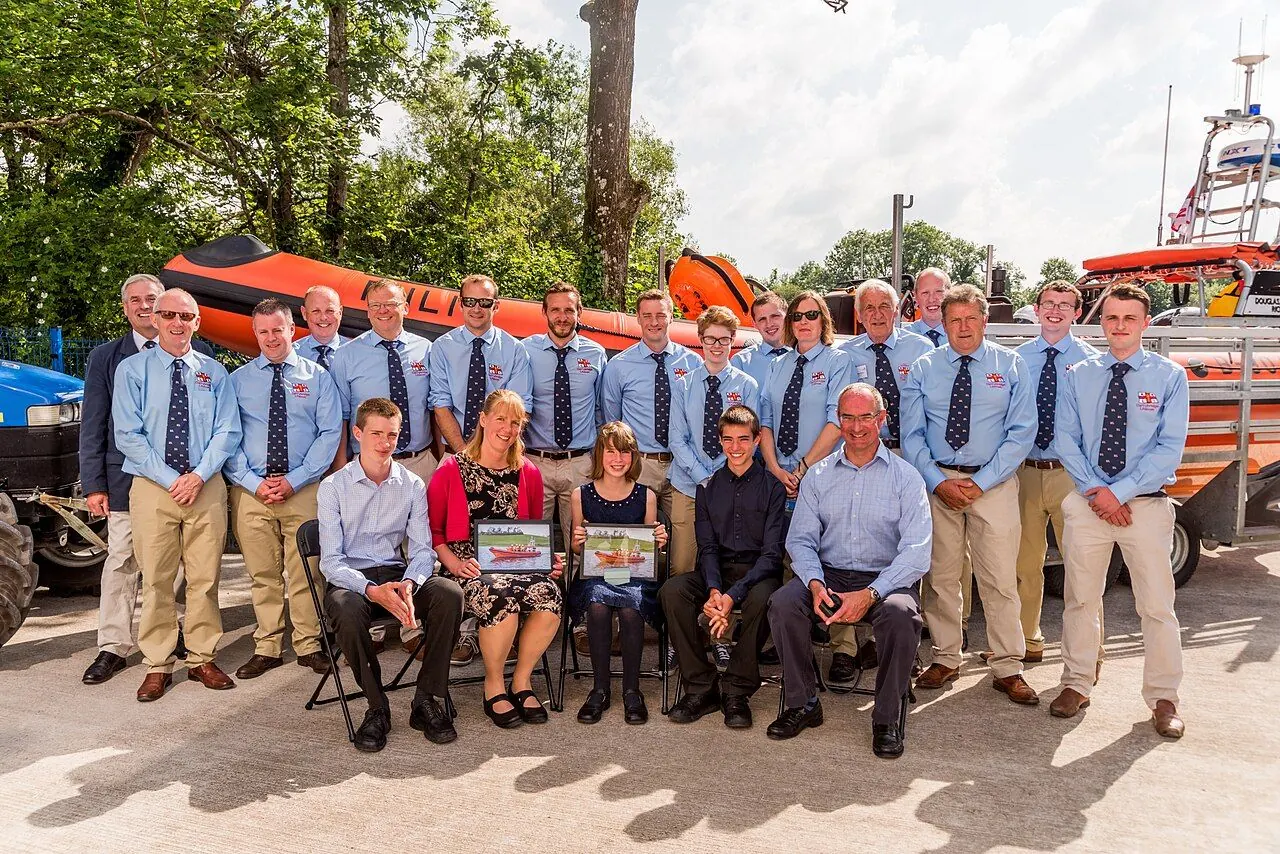
RNLI lifeboat crew are volunteers who live or work near a lifeboat station, pass a health and eyesight assessment and commit to on-call duty and regular training; no previous sea experience is needed. The way in is to contact your local station or apply through the RNLI's volunteer pages.
Requirements and first steps
To join a lifeboat crew with the Royal National Lifeboat Institution (RNLI), you must be over 18 years old and live and/or work close to a lifeboat station. The RNLI lists an upper age limit of 55 for inshore lifeboat crew and 65 for all-weather lifeboat crew. Previous seagoing experience is not required: the RNLI says only 1 in 10 lifeboat crew members has professional maritime experience, which is why training matters so much.
The RNLI expects crew members to be physically fit and complete a health assessment, including an eyesight test covering colour vision and visual acuity. Crew members must also pass a probationary period that usually lasts for 1 year. In addition to being on call, crew are asked to complete a minimum of 12 training exercises afloat in a 12-month period, and the RNLI advises telling your employer from the start so you can agree time for training and for answering the pager at work.
How close is close enough varies from station to station. The RNLI says it aims for an average launch time of 10 minutes from when the pagers are activated, and that some stations set no fixed distance, so each station's own requirements are the ones that count.
Training, probation and the College in Poole
Most crew training takes place at the lifeboat station, where crews train together every week at sea and ashore. Each trainee follows a crew development plan, learning the roles at the station, how to use and look after personal protective equipment, the layout of the lifeboat and how to work with ropes safely. After 6 months of regular training, trainees may, depending on their progress, attend the Crew Emergency Procedures course at the RNLI College in Poole, Dorset.
After completing the 12-month probationary period and assessments, trainees become fully fledged crew members. Training continues at the station, backed by specialist courses at the RNLI College or through mobile training units. Every crew member has a development plan, and can move on, if they wish and the station needs it, to navigator, helm and coxswain; the timetable depends on progress and on the station.
The pager and other volunteer roles
Once initial training is complete, a new crew member is given a pager and personal protective equipment. When the pager goes off, volunteers stop what they are doing and head to the station as quickly and safely as possible, whether they are at home, at work or asleep. The RNLI is frank that this is a big commitment which can affect family and work life; the role is unpaid, although crew can claim back expenses they incur.
Crew members are not the only volunteers at a lifeboat station. Shore crew help with the launch and recovery of the lifeboat and the upkeep of the station and equipment, a head launcher runs the launch team, and stations also rely on roles such as lifeboat operations manager, lifeboat press officer and lifeboat training coordinator.
To find out whether a station near you is recruiting and what it expects, contact your local lifeboat station or look up current opportunities on the RNLI website's volunteer pages. Requirements vary by station, so ask rather than guess.