LifeboatsSide by side
RNLI vs HM Coastguard
One is a government service that runs the rescue, the other a charity that crews the lifeboats: how they fit together after a single call.
HM Coastguard is the government service that takes the emergency call and coordinates search and rescue; the RNLI is a charity that supplies lifeboats and volunteer crews when the Coastguard tasks them. On the coast, 999 or 112, asking for the Coastguard, is the one call that brings either of them.
What HM Coastguard does
HM Coastguard is part of the Maritime and Coastguard Agency, an executive agency sponsored by the Department for Transport. It is responsible for starting and coordinating civil maritime and aeronautical search and rescue around the UK, through a network of rescue coordination centres, the London Maritime Rescue Sub-Centre and the Joint Rescue Coordination Centre. It answers 999 calls for the Coastguard and distress calls on VHF channel 16.
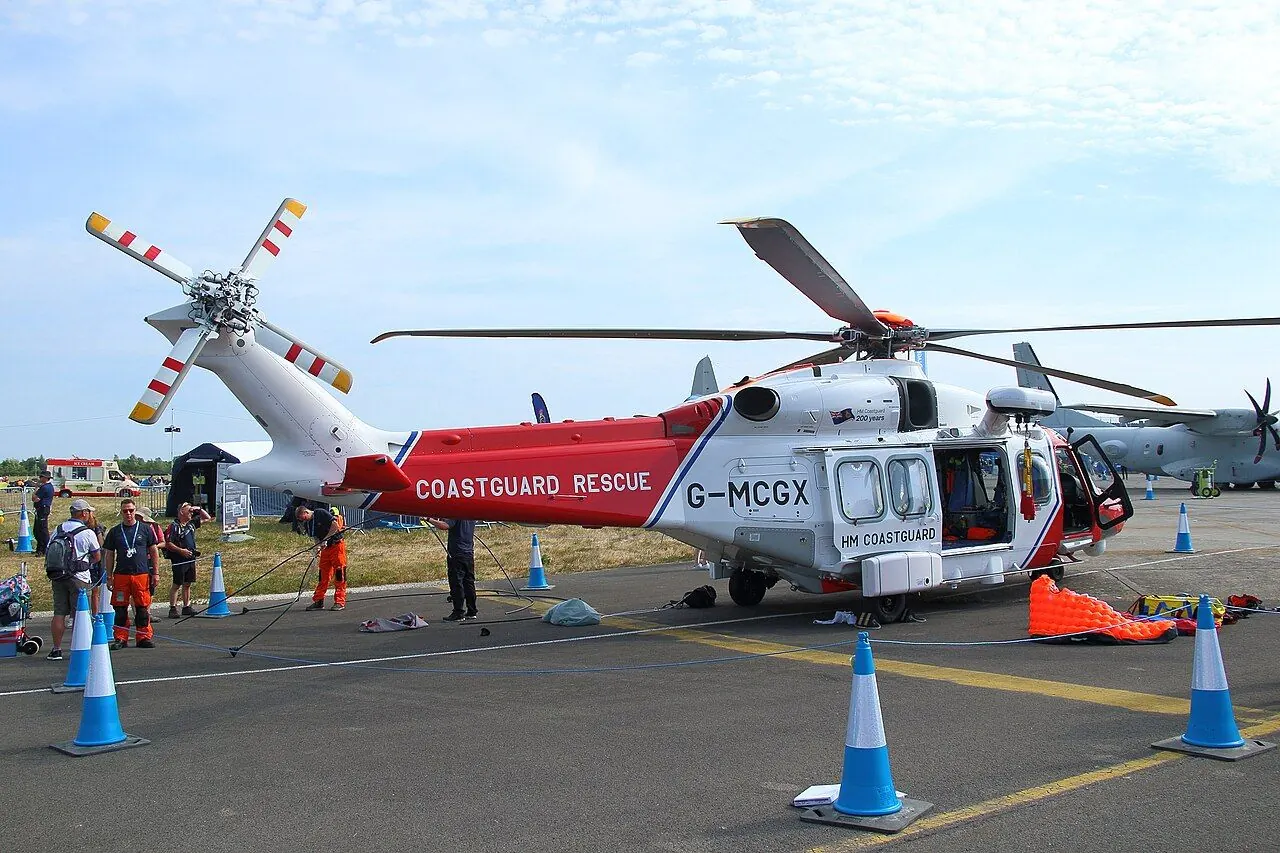
In an emergency, the Coastguard decides which assets to send. It has its own Coastguard Rescue Teams, made up of volunteers based around the coast, who carry out shoreline searches and cliff and mud rescues. It provides the civilian search and rescue helicopters, flown under contract from bases around the UK, with the Joint Rescue Coordination Centre as their sole tasking authority. It can also call on RNLI or independent lifeboats, other emergency services and other vessels in the area.
What the RNLI does
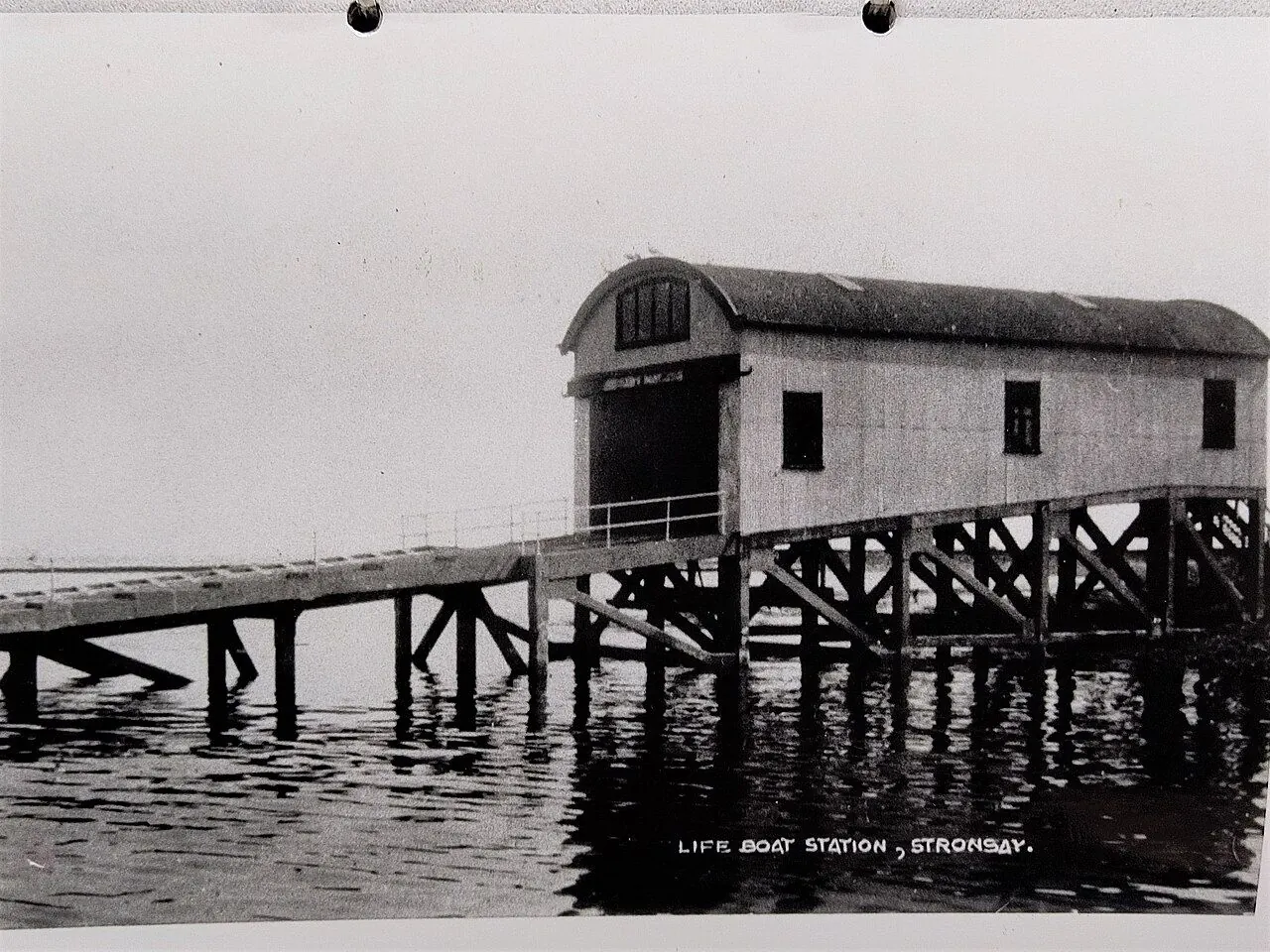
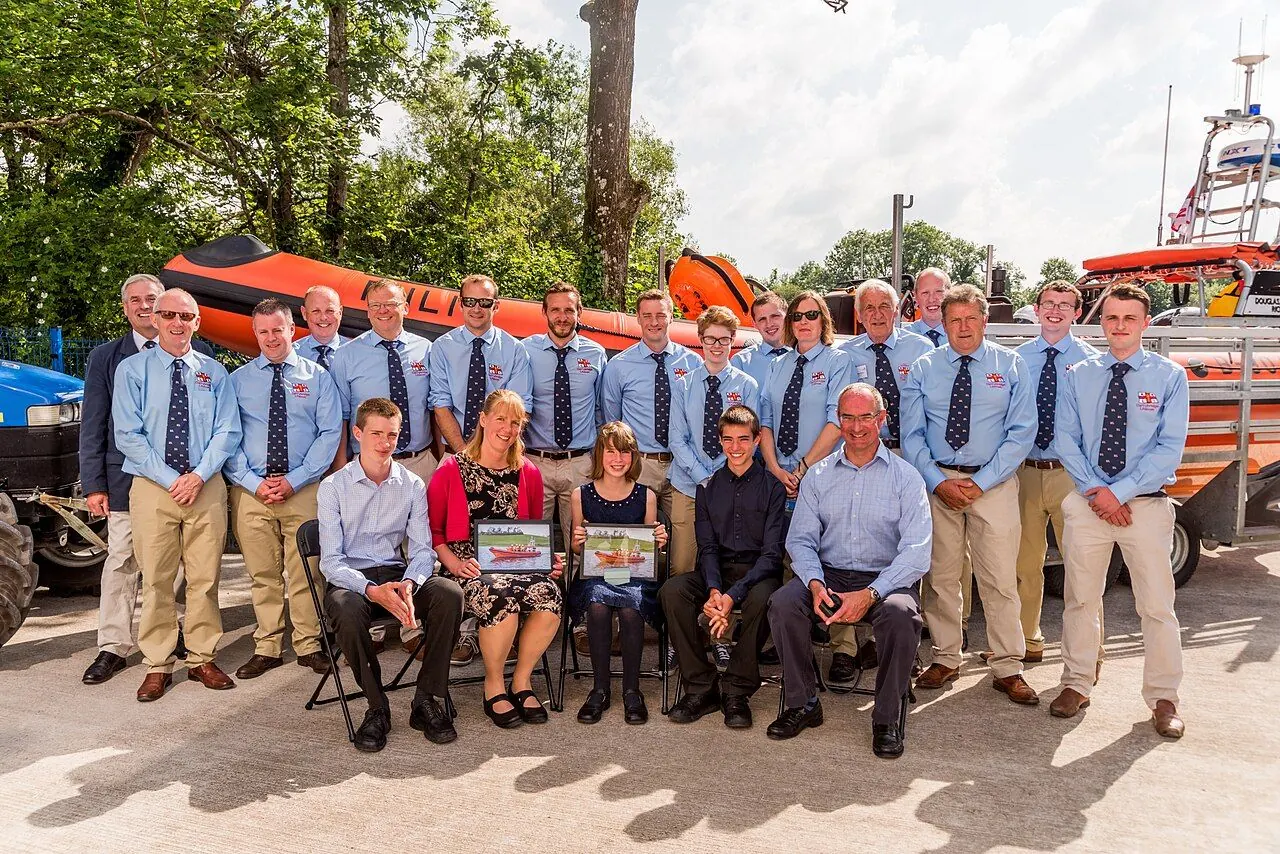
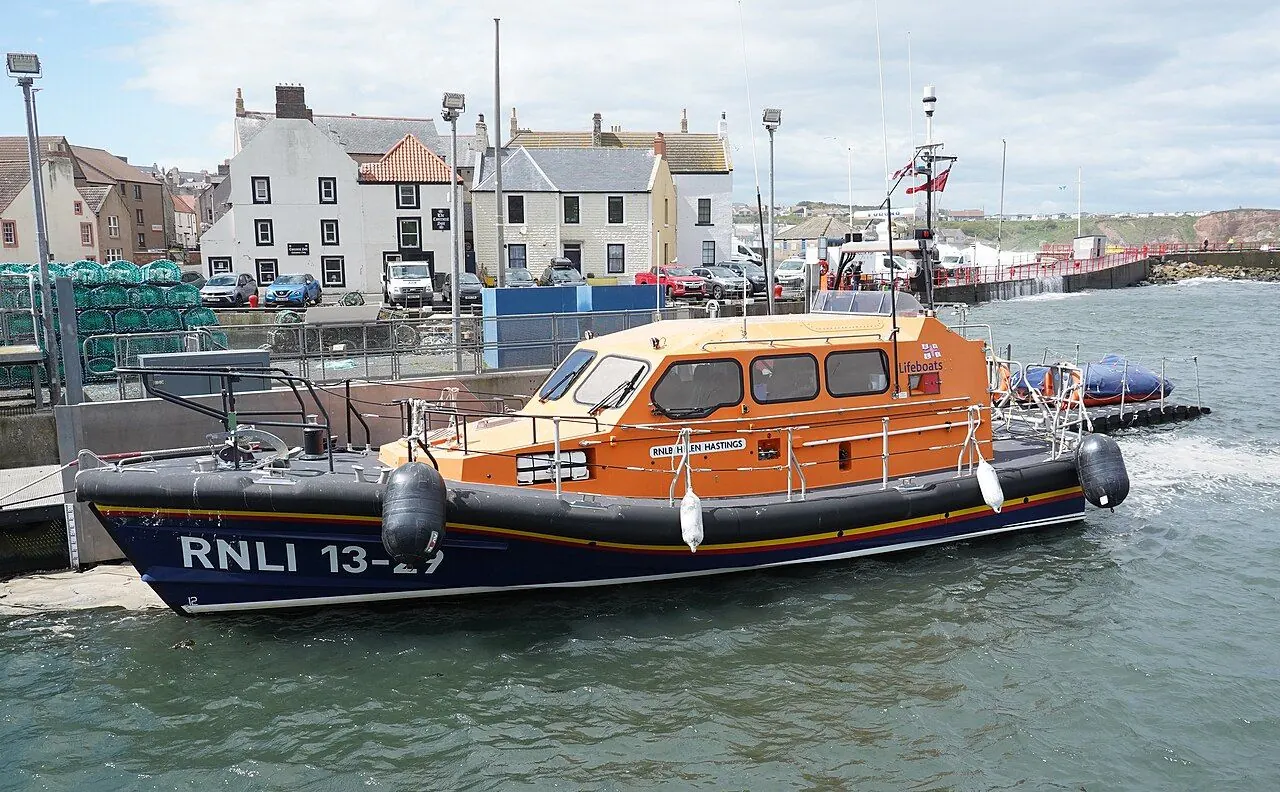
The RNLI is separate from HM Coastguard. Founded in 1824, it is a charity incorporated by Royal Charter to save lives at sea, and it runs a fleet of several hundred lifeboats from more than 230 stations around the UK and Ireland, crewed mostly by volunteers. The RNLI's lifeboats are declared to the Coastguard for search and rescue, and HM Coastguard has responsibility for tasking and coordinating operations while the RNLI provides the lifeboats and crews.
The RNLI also runs lifeguard patrols on many beaches, but not on every one: a government review of beach safety noted that the RNLI has no legal duty to provide lifeguards at the coast. Not every lifeboat is an RNLI boat either. Independent lifeboats, run by other organisations, are equipped, maintained and operated under the Rescue Boat Code and can be tasked by the Coastguard in the same way.
| HM Coastguard | RNLI | |
|---|---|---|
| What it is | Government service, part of the Maritime and Coastguard Agency | Charity, independent of government |
| Main job | Takes emergency calls and coordinates search and rescue | Provides lifeboats, crews and beach lifeguards |
| On the scene | Coastguard Rescue Teams and search and rescue helicopters | Inshore and all-weather lifeboats, hovercraft |
| Paid for by | Government | Donations and gifts in Wills |
How a rescue comes together from one call
A rescue usually starts with a single call to the Coastguard. The Coastguard gathers details, decides what help is needed and, if a lifeboat is right, pages the launch authority at the nearest suitable RNLI station, who agrees the launch and has the crew paged. The Coastguard keeps coordinating while the lifeboat, helicopter or Coastguard Rescue Team works the incident, and in many cases it tasks several at once.
If you see someone in trouble in the water or at the coast, call 999 or 112 and ask for the Coastguard; at sea, a Mayday on VHF channel 16 does the same job. Do not go into the water after someone. The Coastguard will decide who comes: that may be the RNLI, a helicopter, a Coastguard Rescue Team or all three.
Sources checked
- gov.uk/government/publications/search-and-rescue-framework-uksar/strategic-overview-of-search-and-rescue-in-the-united-kingdom-of-great-britain-and-northern-ireland
- gov.uk/guidance/hm-coastguard-rescue-coordination-centre-contact-details
- gov.uk/government/organisations/maritime-and-coastguard-agency
- rnli.org/magazine/magazine-featured-list/2021/march/six-steps-to-rescue