LifeboatsExplainer
Inside a Lifeboat Launch
From the Coastguard's request to the final radio call back at the station, the chain of decisions behind every RNLI lifeboat launch.
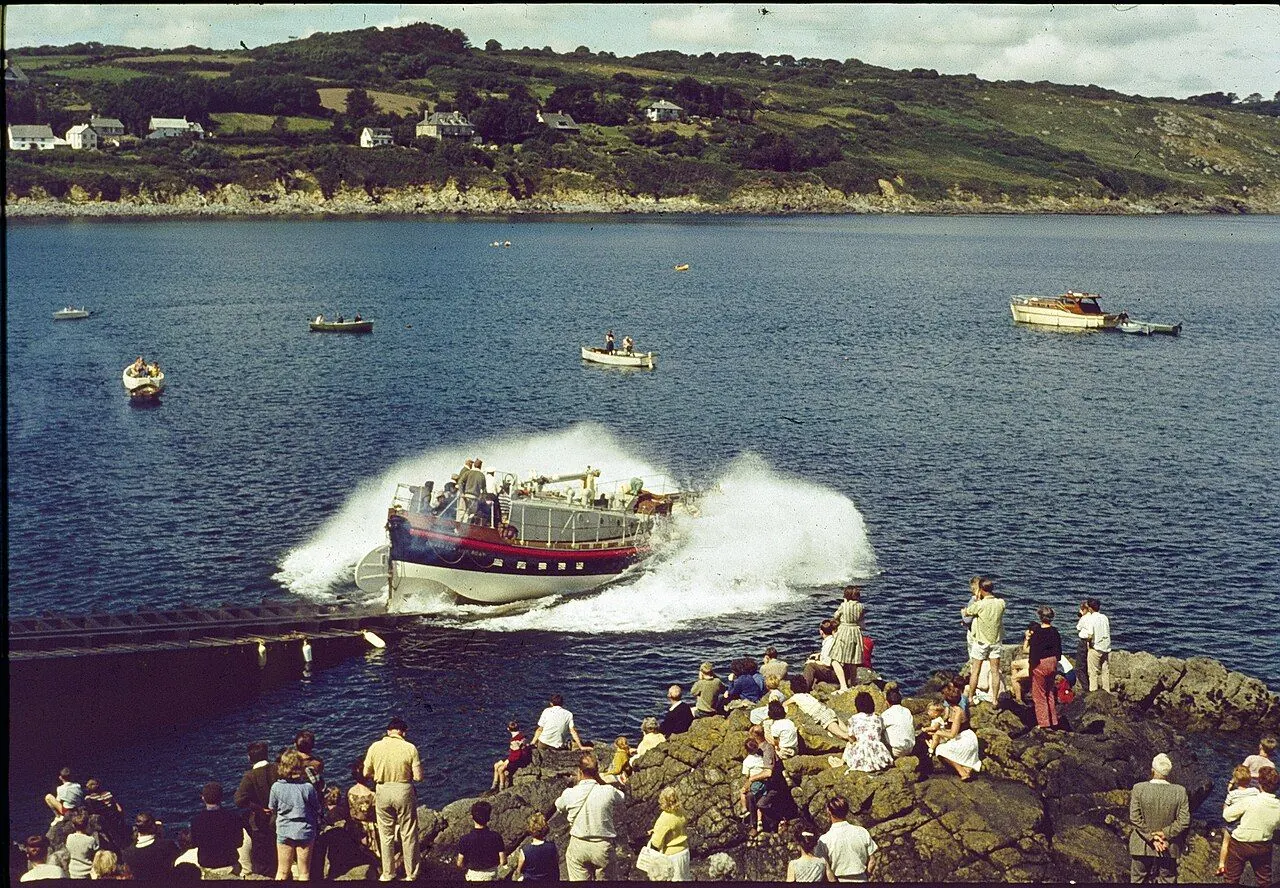
A lifeboat launch starts with a request from HM Coastguard, is agreed by the station's launch authority, and ends with volunteer crew paged, kitted up and at sea, on average within about 10 minutes of the Coastguard's request, according to the RNLI. After the rescue the boat is recovered, washed down, refuelled and made ready for the next call.
From the Coastguard call to the pager
The sequence starts with a tasking from HM Coastguard, which coordinates all search and rescue and decides which assets to send: a lifeboat, a helicopter, a Coastguard Rescue Team, or several at once. If a lifeboat is needed, the Coastguard pages the duty launch authority of the most appropriate RNLI station, usually the Lifeboat Operations Manager or one of the deputy launching authorities. The launch authority calls the Coastguard straight back for details: who is in trouble, where, whether they are in the water or injured, and whether others are involved.
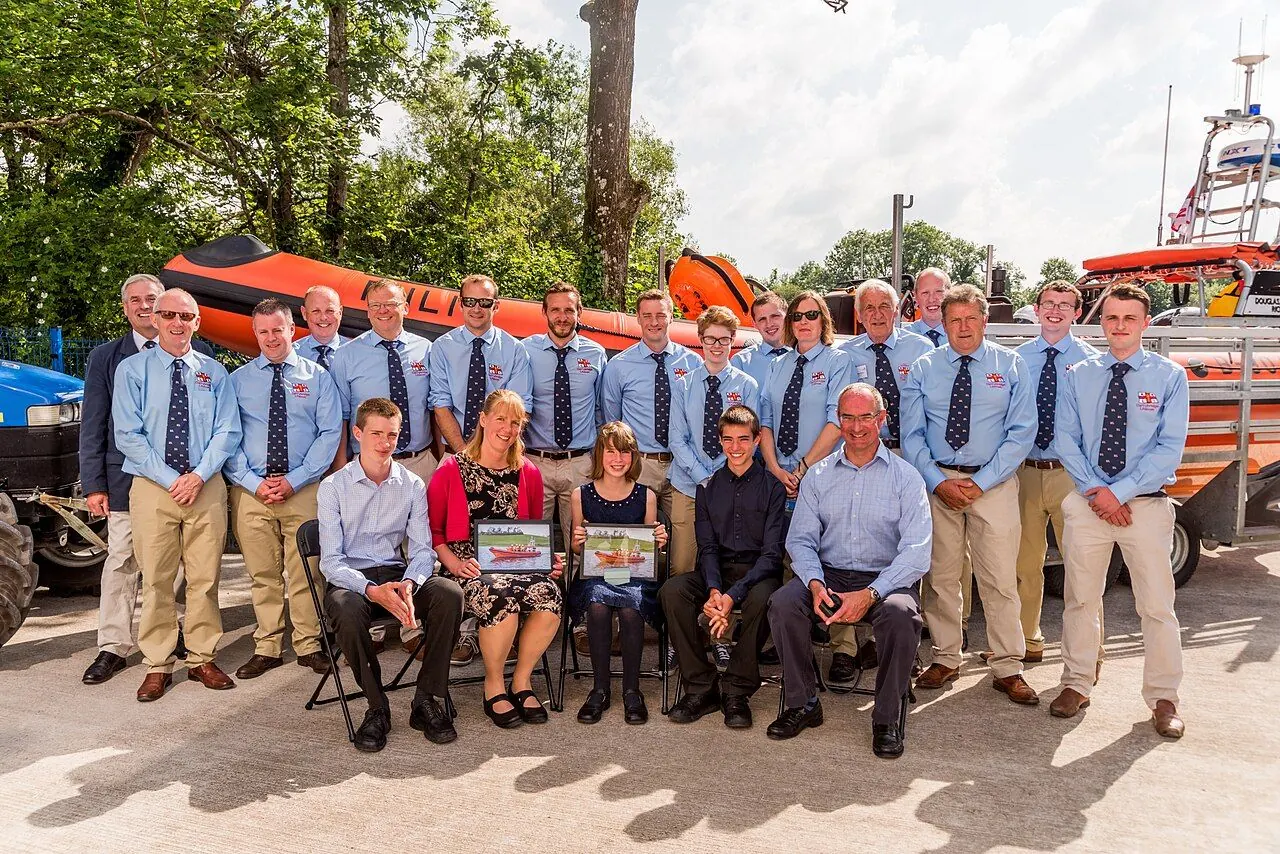
If the launch authority agrees that a lifeboat is the best course of action, the crew are paged. Volunteers carry their pagers day and night, and when the pager sounds with a short message such as a request to launch the inshore lifeboat, they stop what they are doing and head to the station as quickly and safely as possible. Among lifeboat crews a call-out is known as a shout. The coxswain or helm also has to confirm that launching that particular boat is appropriate: the RNLI describes a triple check, in which a lifeboat only launches if the Coastguard, the launch authority and the coxswain or helm have all given the green light.
Getting the boat away
At the station, the coxswain or helm, helped by the launch authority, chooses the most suitable crew for the job, which may mean waiting a moment for someone with specialist skills. The crew are briefed on the situation, the plan, each person's role and the safety calls they will make to the Coastguard, and they kit up in protective clothing, lifejackets and helmets.
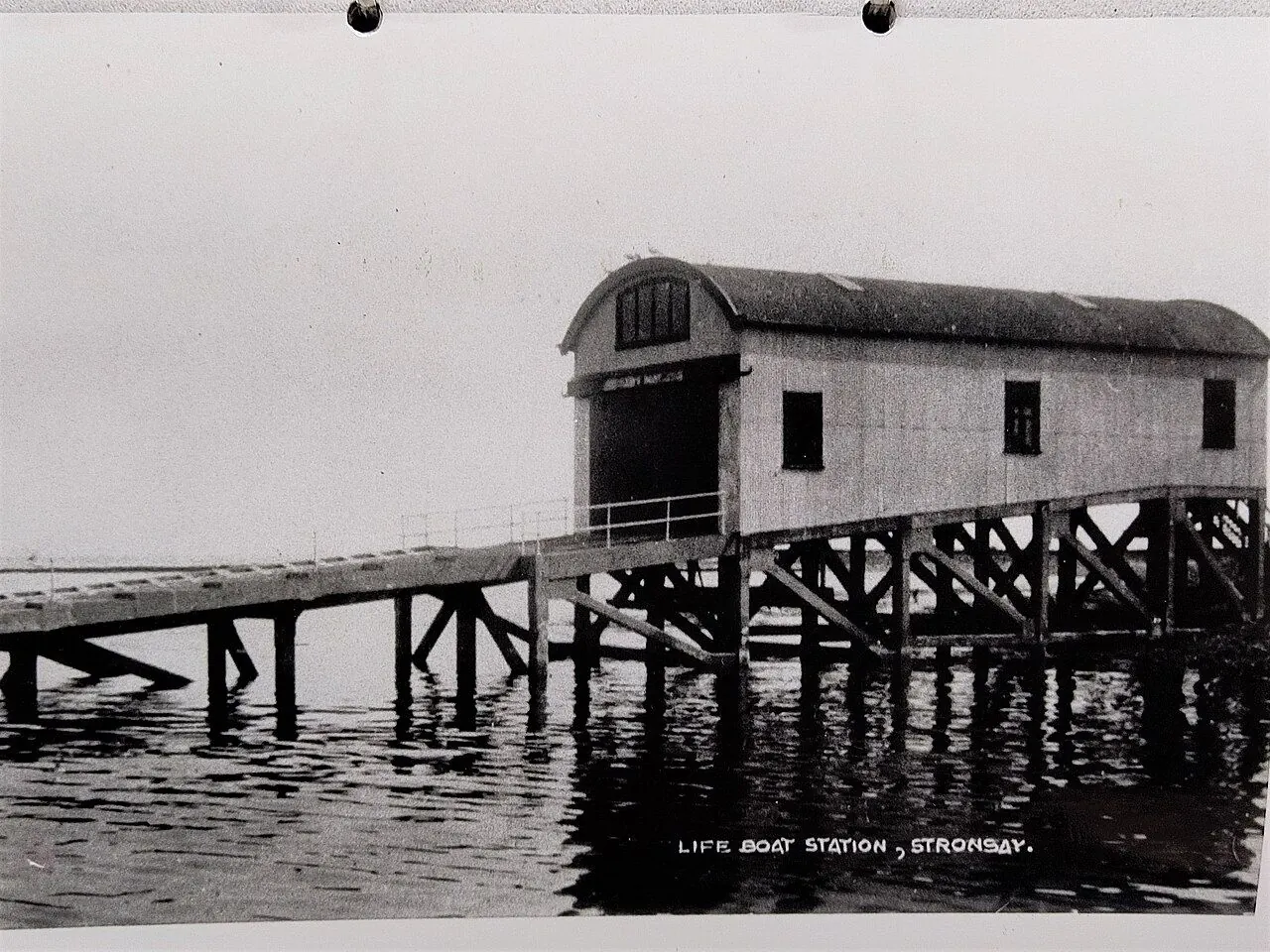
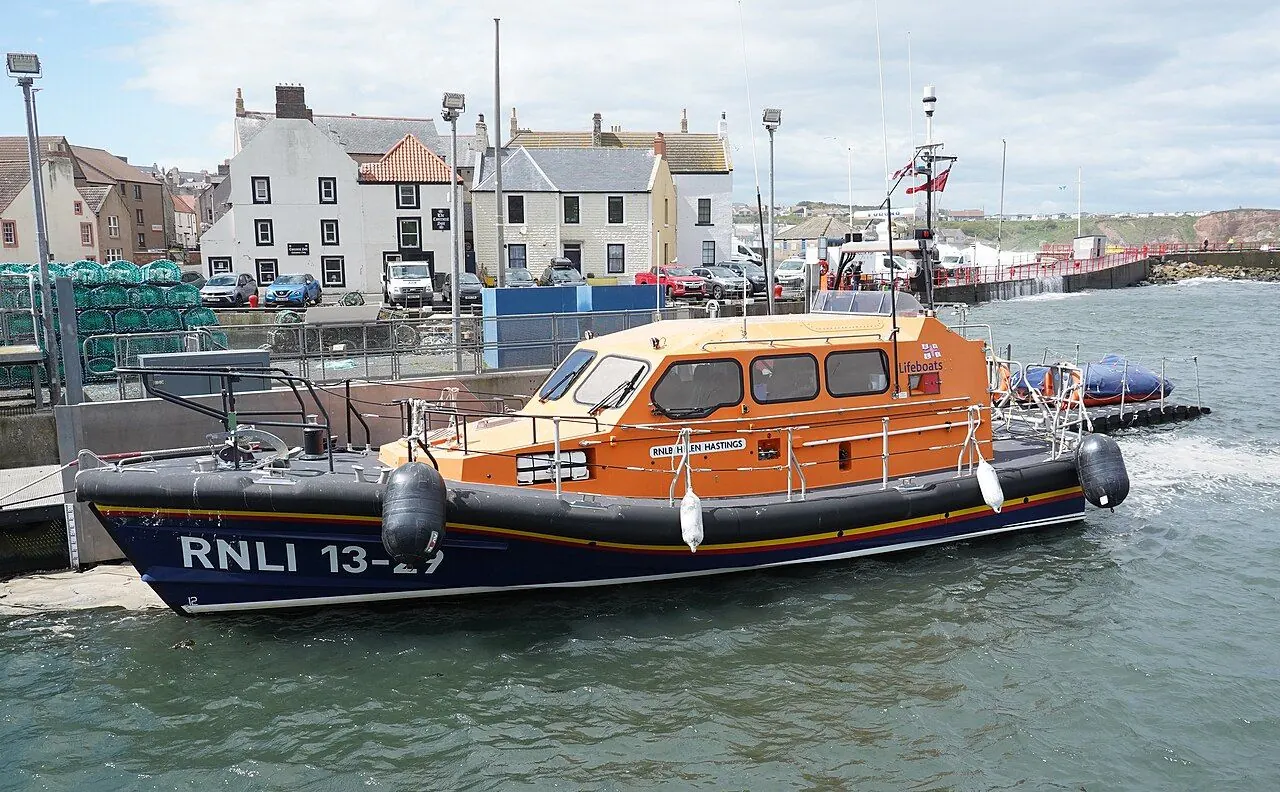
Meanwhile the shore crew ready the lifeboat and equipment. How the boat gets into the water depends on the station and the class of lifeboat. Some all-weather lifeboats lie afloat on a mooring or in a harbour; others are launched down a slipway from a boathouse, or pushed off a beach on a carriage by a tractor; smaller inshore lifeboats may go in from a trolley, a carriage or a davit. At an inshore station, launchers may be waiting at the shoreline to help get the boat into the water.
On service and after the shout
Once afloat, the crew tell the Coastguard they have launched on service and give an estimated time of arrival on scene. From then on the Coastguard coordinates the search and rescue, and the lifeboat keeps it informed at agreed times. When the job is done and the Coastguard stands the boat down, the lifeboat returns and is recovered. The boat is washed down, refuelled and checked, and the coxswain or helm makes sure it is ready for service before the crew finally stand down; the last call to the Coastguard, as the RNLI puts it, is "Refuelled, ready for service and closed down."
For anyone at the coast, the practical takeaway is simple: every launch starts with someone raising the alarm. If you see a person or boat in trouble, call 999 or 112 and ask for the Coastguard, or send a Mayday on VHF channel 16 at sea, and do not go into the water after someone yourself.
Sources checked
- rnli.org/magazine/magazine-featured-list/2021/march/six-steps-to-rescue
- rnli.org/magazine/magazine-featured-list/2023/september/how-to-talk-like-a-coxswain
- rnli.org/support-us/volunteer/how-you-can-volunteer/be-a-lifeboat-station-volunteer
- gov.uk/guidance/hm-coastguard-rescue-coordination-centre-contact-details