BoatingThe rules
Boat Licence Rules UK
The difference between licensing the boat and qualifying the skipper, and where radio certificates, the ICC and harbour byelaws come in.
For a leisure boat at sea in UK waters, the simple answer is no: there is no general licence needed to skipper a pleasure craft. But inland waterways licence the boat rather than the driver, some countries abroad ask for a certificate, and a marine radio needs its own paperwork.
At sea: no licence for pleasure craft
According to the RYA, if a UK-flagged boat is used as a pleasure vessel and is under 24 metres in load line length or under 80 gross tonnes, there is no requirement for the skipper to hold a certificate of competence in UK territorial waters or on the high seas. That covers the dinghies, RIBs, small motorboats and yachts most people use.
You do not need a boatmasters' licence if you're in charge of a pleasure vessel, including hire boats used as pleasure vessels. A boatmasters' licence is required for the masters of certain vessels on inland waters, such as canals, rivers, lakes and some estuaries, and in "limited" coastal operations, defined as no more than 5 miles from land and 15 miles from where the vessel sets off or arrives.
Inland waterways are different
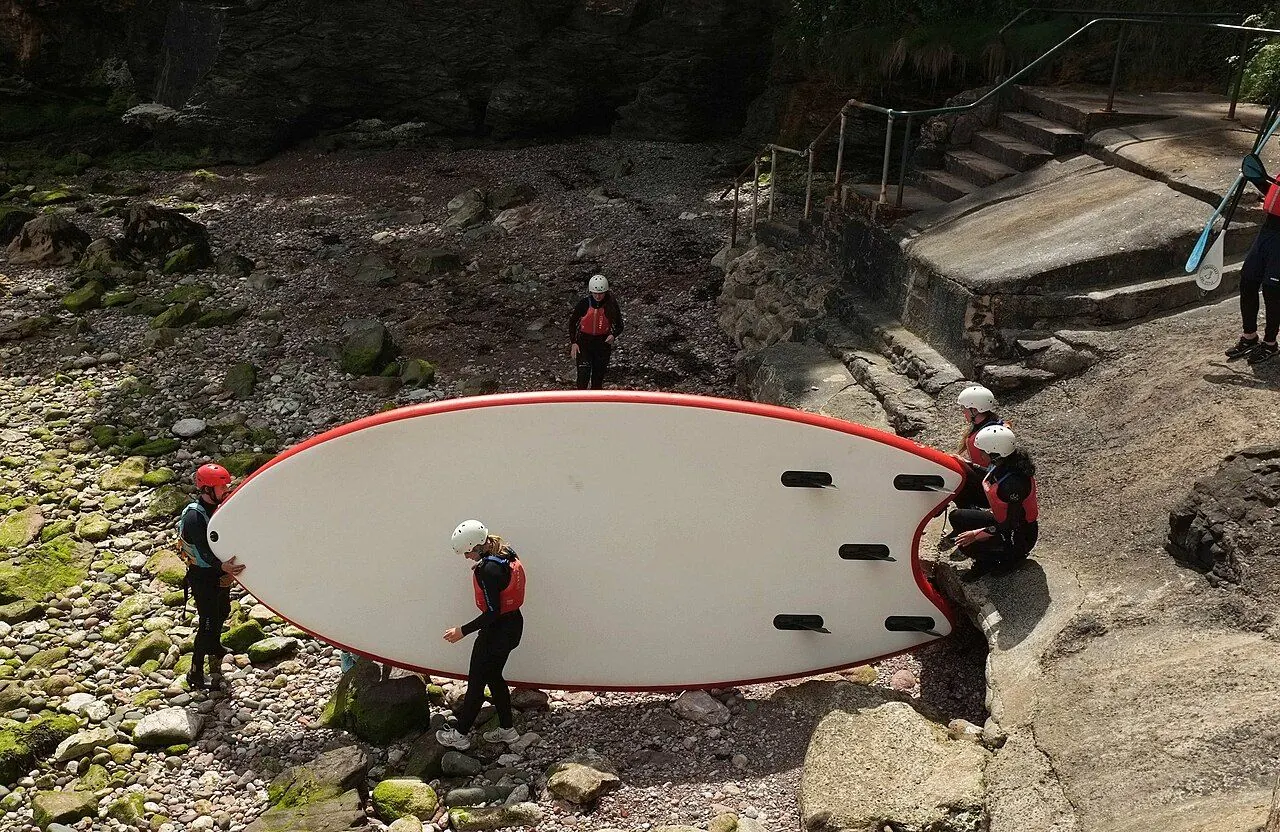
On canals and rivers, the licence system is for the boat, not the person. The Canal & River Trust requires a licence for all types and sizes of boat with or without a motor on its waterways, including canoes, kayaks, dinghies, rowing boats, paddleboards and light inflatable craft. Other waterways, such as the non-tidal River Thames and the River Medway, are managed by the Environment Agency, which issues its own registrations. Before you can buy a Canal & River Trust licence you need a valid Boat Safety Scheme certificate or an exemption.
Radio, going abroad and local rules
Even if no general licence is needed, there may be other regulations to observe:
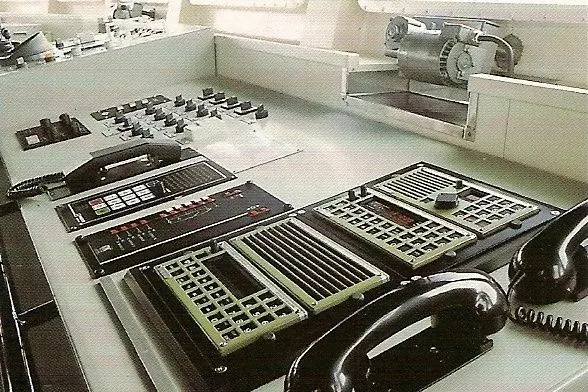
- Marine VHF radio: a boat carrying VHF equipment needs a Ship Radio Licence from Ofcom, and the radio may only be operated by, or under the direct supervision of, someone holding an operator's certificate, usually the RYA Short Range Certificate (SRC).
- Boating abroad: officials and charter companies in other countries may ask for evidence of competence. The International Certificate of Competence (ICC), issued in the UK by the RYA, is the usual document, but each country decides what it accepts.
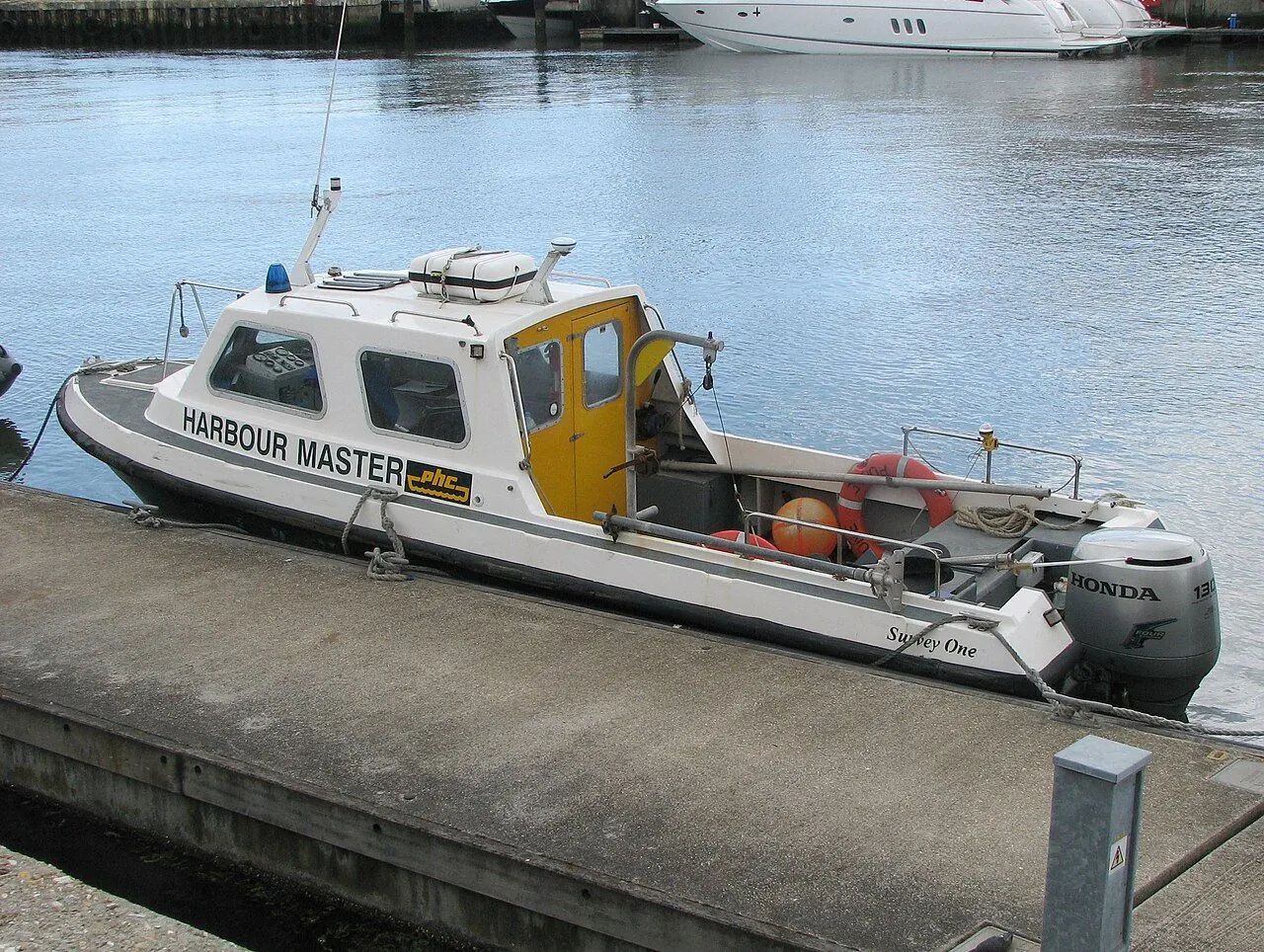
- Harbour byelaws: harbour authorities may set local byelaws for leisure boats, such as speed limits within the harbour, restricted areas and requirements to monitor specific VHF channels.
Boaters can benefit from taking an RYA course such as Powerboat Level 2, a two-day course that teaches the skills needed to drive a powerboat and is the basis for the ICC. It is not a legal requirement in UK waters, but it is the most practical way to learn. Rules and fees can change, so at the time of writing check the RYA, Ofcom, gov.uk and the navigation or harbour authority for the water you plan to use before going afloat.