BoatingExplainer
VHF Radio Licence UK
The radio needs an Ofcom licence and the person using it needs a Short Range Certificate, plus what DSC, MMSI, Mayday and Pan-Pan mean.
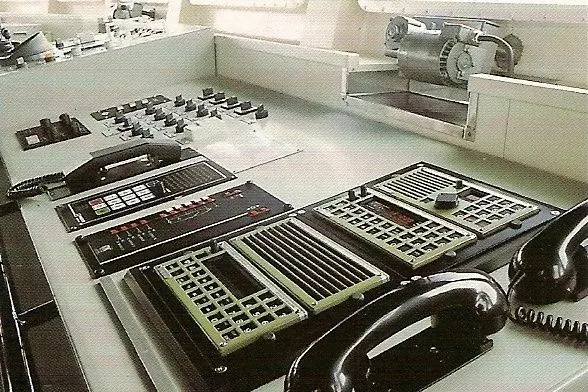
UK law makes using a marine VHF radio a two-part job: the radio needs an Ofcom licence, and the person at the set needs an operator's certificate, normally the SRC, the Short Range Certificate.
The licence for your boat
For a set fitted to the boat itself, the licence is a Ship Radio Licence. It is specific to a named vessel, and it authorises you to install and use the listed radio and associated equipment on that ship. Ofcom issues a Maritime Mobile Service Identity (MMSI) number with all new Ship Radio Licences; this nine-digit number lets other stations and the Coastguard identify the vessel. At the time of writing the licence is free if you apply through Ofcom's online portal, while paper applications carry a fee, so check the current terms with Ofcom before you apply.
A handheld set is different. If a handheld VHF with DSC is to be used on more than one boat, it needs its own Ship Portable Radio Licence, one per set, each with its own MMSI. That licence is only valid up to the limit of the UK territorial sea, which is why Ofcom will not cover a portable DSC set under a normal Ship Radio Licence. A handheld can instead be programmed with the MMSI from a Ship Radio Licence, but it is then restricted to that one named vessel.
The qualification for the operator
The RYA describes the SRC as the minimum qualification required by law to control the operation of VHF and VHF Digital Selective Calling (DSC) equipment on any British-flagged vessel voluntarily fitted with a radio, whether fixed or handheld. It applies to paddlers too: the RYA notes that carrying a handheld VHF while kayaking or paddleboarding also means holding an operator's licence. Under the licence terms, the set must be operated by, or under the direct supervision of, a certificate holder.
Candidates take an SRC course and exam through an RYA Recognised Training Centre. The course takes around 10 hours, online or in a classroom, and the exam, sat in person, includes a written theory paper and a practical assessment on the use of marine VHF radios, covering distress procedures, DSC and the Global Maritime Distress and Safety System. Training centres set their own fees.
Channel 16, DSC and distress calls
Channel 16 is the universal emergency channel, monitored by coastguards and nearby vessels. On a DSC set, the red distress button sends an alert carrying your MMSI, and the RYA calls it the first signal to the Coastguard that you are in distress; you then follow up with a spoken call on Channel 16.
There are two kinds of emergency call:
- Mayday is for grave and imminent danger to a vessel or people, such as fire, sinking or someone overboard.
- Pan-Pan is for a serious situation where you need help but there is no critical and imminent danger to the boat or anyone on board.
To get legal, apply to Ofcom for the licence that fits your set, a Ship Radio Licence for a fixed radio or a Ship Portable Radio Licence for a handheld used on several boats, and book an SRC course and exam through the RYA. Fees and rules can change, so check Ofcom and the RYA for the latest information before you buy or fit a radio.