BoatingHow to
Paddleboard Safety at Sea
Offshore winds, the wrong leash and a phone left on the board catch out many paddlers at sea; the advice that brings you home.
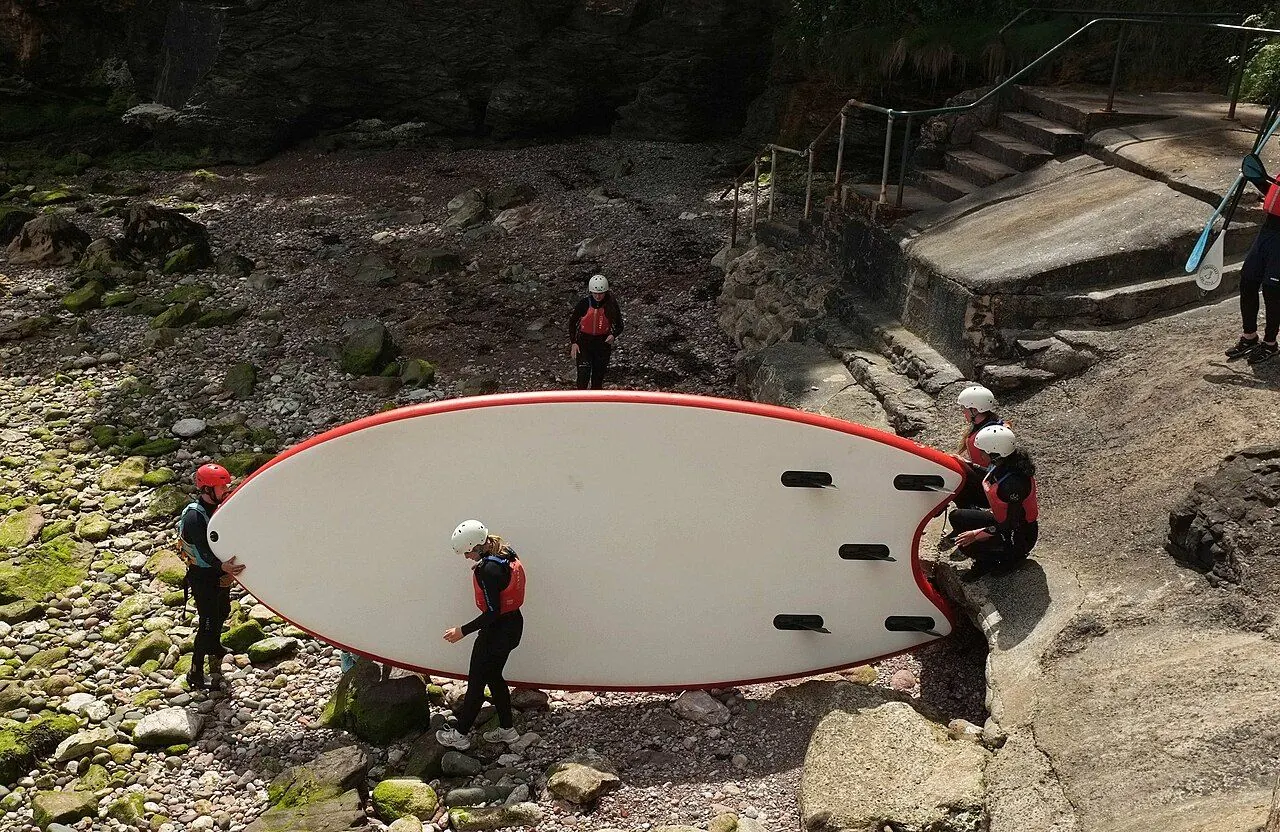
To paddleboard safely at sea, avoid offshore winds, wear a buoyancy aid and the right leash for the water, carry a phone in a waterproof pouch, check the forecast and tides, and if you get into trouble stay with your board and call 999 or 112 for the Coastguard.
Why the sea is different
Paddleboarding in the sea involves different risks from a lake or river. Offshore winds, which blow from the beach out to sea, are one of the biggest causes of trouble: the water near the shore can look calm, but the wind can get stronger the further out you go and quickly carry a board out beyond the point where you can paddle back. Tides and currents add to this, because conditions can change while you are on the water.
The best advice for the UK coast is simple: check the weather and the tides before you go, avoid offshore winds, and if in any doubt, don't go out. Tell someone where you are going and when you expect to be back, paddle with others where you can, and stay within your experience. Lessons from a qualified coach are a good start for anyone new to the sea.
The leash, the buoyancy aid and the phone
A leash keeps you attached to your board, which is your biggest float, so it matters to choose the right one for the water. Paddle UK's guidance is that ankle and calf leashes suit lakes, canals, the sea, coastal bays and surf where there is no risk of snagging or entrapment. In moving or flowing water, such as tidal rivers, estuaries and tidal races, a quick-release waist leash is the best option, because a leash that snags on a buoy, mooring or pontoon can hold you under the water. Many coastal launch spots sit next to harbour mouths and estuaries, so think about where the tide will take you, not only where you start.
Wear a buoyancy aid every time you go afloat, whatever your swimming ability. Carry a fully charged phone in a waterproof pouch on your body, not in a dry bag strapped to the board, so you can reach it if you fall in and the board drifts away. Wear a wetsuit or clothing suited to the water temperature, as cold water shock is a risk even in summer, and mark your board with your name and contact details.
If it goes wrong
If you are caught by an offshore wind, kneel or lie down on your board to reduce the wind's grip and paddle back towards the shore. If you cannot make progress, stay with your board: it keeps you afloat and makes you easier for rescuers to see. Signal for help by waving an arm or your paddle, and call 999 or 112 and ask for the Coastguard.
If you see someone else in trouble on a board, do not paddle or swim out after them; call 999 or 112, ask for the Coastguard, and keep them in sight. Have a plan, carry a phone, wear a buoyancy aid and choose days without offshore winds, and the sea becomes a far safer place to paddle.